Garden Centrum
Features Articles →
Integrating Edible Herbs into a Sophisticated Landscape
Integrating Edible Herbs into a Sophisticated Landscape
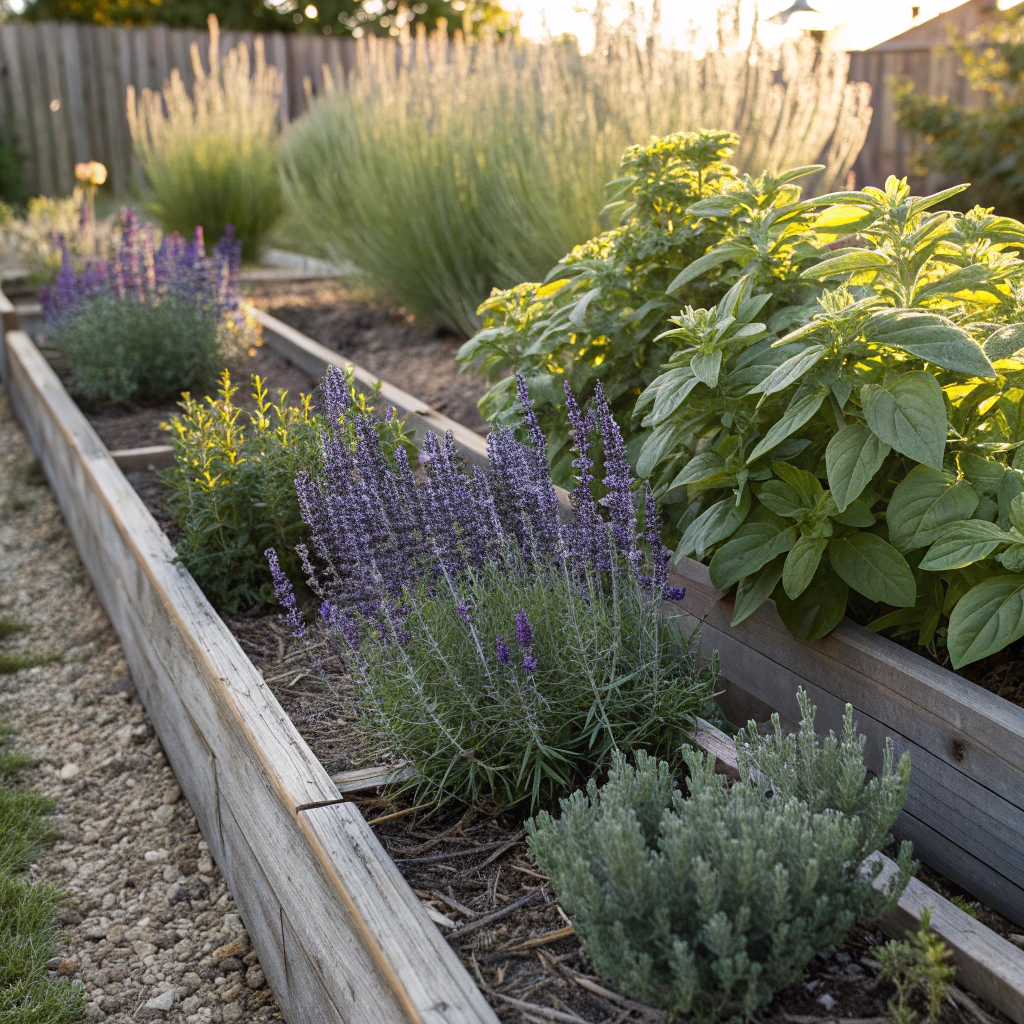
Edible landscaping bridges the gap between beauty and utility. By selecting herbs with refined foliage and subtle blooms, you can weave culinary value into a garden that remains elegant and cohesive.
Choosing the Righ Herbs
- Basil ‘Genovese’: Large, velvety dark green leaves; thrives in sunny borders.
- Thyme ‘Silver Queen’: Silvery foliage adds texture; perfect for low‑groundcover.
- Lavender (Lavandula angustifolia): Aromatic purple spikes; doubles as a pollinator attractor.
- Rosemary ‘Prostrate’: Mound‑forming habit with needle‑like foliage; works as a dwarf shrub.
- Mint ‘Pennyroyal’: Compact growth; keep in a pot to prevent invasiveness.
Design Integration Techniques
- Border Planting: Alternate herb clumps with ornamental grasses for a wave‑like rhythm.
- Herbaceous Edges: Use thyme or low‑growing rosemary along pathways as a living “ground cover”.
- Container Displays: Group herb pots within stone or ceramic planters on patio tables for a curated look.
- Layered Beds: Position taller herbs (basil) at the back, mid‑height (lavender) in the middle, and low‑growth (mint) at the front.
Maintenance Best Practices
- Harvest regularly to encourage bushier growth.
- Provide well‑draining soil, preferably a mix of potting compost and sand.
- Water at the base of the plant to keep foliage dry and reduce disease risk.
- Divide overly dense herb clumps every 2‑3 years to maintain vigor.
Seasonal Care
In winter, protect tender herbs with a light mulch or move potted varieties indoors. Hardy herbs like rosemary and lavender can remain outdoors with minimal protection.
When executed with a disciplined design sense, edible herb integration enhances the garden’s function while preserving the polished, modern vibe that defines Garden Centrum’s editorial identity.
Author

Name
title
Current Posts
post
Categories
© 2026 All rights reserved. link.com