Garden Centrum
Understanding Soil pH and Nutrient Balance
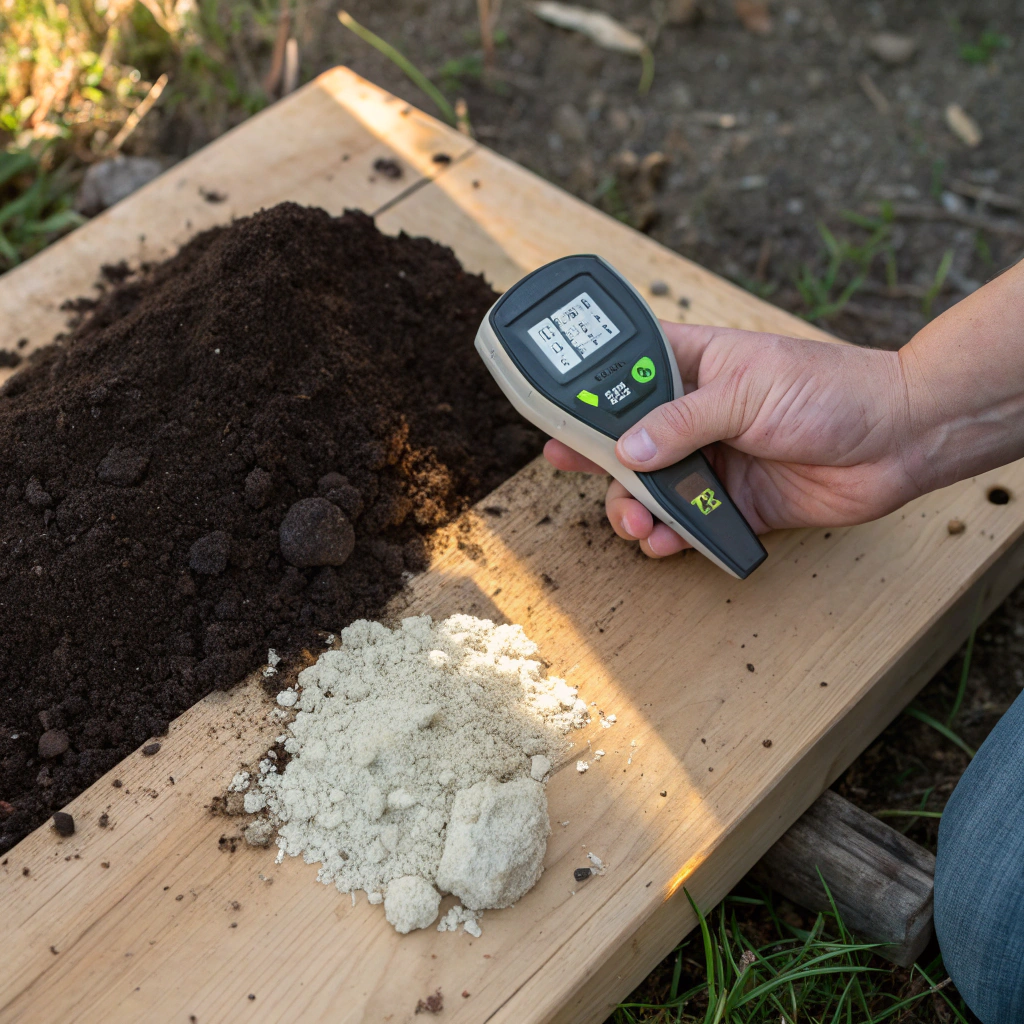
Soil pH dictates the chemical environment that roots experience. Most garden plants thrive in a slightly acidic range (pH 6.0‑6.5). Deviations can lock essential nutrients, leading to deficiencies despite adequate fertilization.
Testing Soil pH
Use a reliable digital meter or a home test kit. Collect samples from 6‑8 inches deep across several spots, mix them, and follow the kit’s instructions. Record the result for each garden zone.
Interpreting Results
- pH <5.5 – Highly acidic; calcium and magnesium become scarce.
- pH 6.0‑6.5 – Ideal for most vegetables, herbs, and annuals.
- pH 7.0‑7.5 – Neutral to slightly alkaline; beneficial for many perennials and ornamental shrubs.
- pH >7.5 – Alkaline; iron and manganese may be limited.
Adjusting pH Naturally
To Raise pH (reduce acidity): Incorporate garden lime (calcitic or dolomitic) at 5‑10 lbs per 100 sq ft, based on test recommendations.
To Lower pH (increase acidity): Apply elemental sulfur—about 2‑3 lbs per 100 sq ft—or use peat moss as a soil amendment.
Nutrient Balance and pH Interaction
Even with the correct pH, nutrient availability hinges on soil structure. Add organic matter—compost or well‑rotted manure—to improve cation exchange capacity, helping plants absorb nutrients like nitrogen, phosphorus, and potassium.
Maintenance Checklist
- Test pH annually, especially after major soil amendments.
- Document adjustments and re‑test after 2‑3 months.
- Integrate cover crops (clover, rye) to naturally buffer pH fluctuations.
Mastering soil chemistry empowers you to cultivate gardens with the same precision and confidence reflected in Garden Centrum’s editorial voice.
Author

Name
title
Current Posts
posts
Categories
© 2026 All rights reserved. link.com